Rib Pain After a Car Accident: When to See a Doctor Fast
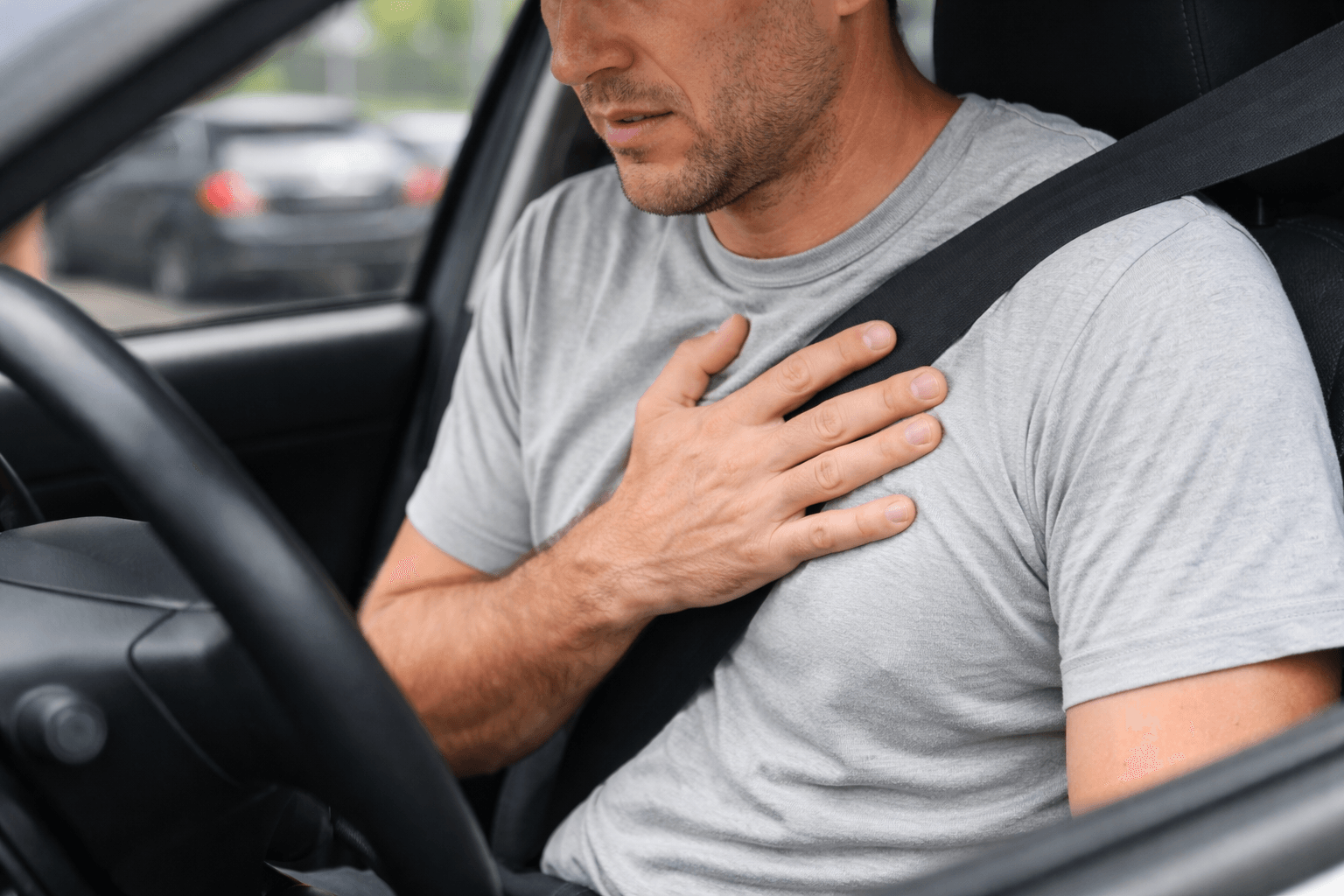
Rib pain and chest pain are among the most common—and most worrying—symptoms people experience after a car accident. Even if the collision seemed minor, the force from your seatbelt or the impact itself can cause significant chest wall injuries that may not feel severe right away.
If you're dealing with rib pain, chest tightness, or difficulty breathing after a crash, you should get evaluated the same day. Not all rib injuries are visible from the outside, and some can become more painful or dangerous if left unchecked.
This guide explains what causes rib pain after a car accident, when to seek medical care, what diagnostic steps matter, and why same-day evaluation is the safest choice—especially in Florida, where PIP insurance coverage and medical documentation timelines matter.
Why Rib and Chest Pain Happens After a Car Accident
Car accidents create sudden, forceful impacts that your body absorbs in milliseconds. Your seatbelt does its job by keeping you secured, but that same restraint can transfer tremendous pressure directly onto your chest wall during a collision.
Common causes of rib pain after a crash include:
Seatbelt force: The diagonal strap across your chest can bruise or fracture ribs, especially during hard braking or frontal impacts. This is sometimes called a "seatbelt injury."
Blunt chest trauma: Striking the steering wheel, dashboard, or being compressed between your seat and seatbelt creates blunt force that can damage ribs, muscles, and cartilage.
Airbag deployment: While airbags save lives, the explosive force required to inflate them can cause chest wall injuries, particularly in smaller-framed individuals.
Delayed symptom onset: Adrenaline and shock often mask pain immediately after a crash. Rib pain frequently worsens 6 to 24 hours later as inflammation sets in and adrenaline fades.
Even if you walked away from the accident feeling okay, rib injuries can become painful, limit your breathing, and interfere with daily movement as swelling increases.
Types of Rib Injuries from Car Accidents
Not all rib pain means a broken bone. Several different injuries can cause chest discomfort after a crash:
Bruised ribs (rib contusion): Soft tissue bruising around the rib cage. Painful but usually heals without complications. Expect tenderness, discoloration, and sharp pain with movement or deep breathing.
Fractured or broken ribs: A crack or complete break in one or more ribs. This is more serious and typically causes sharp, localized pain that worsens with breathing, coughing, or twisting. Broken ribs can sometimes puncture lung tissue if displaced, which is why imaging is critical.
Costochondral separation: The cartilage connecting your ribs to your breastbone can tear or separate. This creates pain near the center of your chest and can mimic heart-related symptoms.
Intercostal muscle strain: The muscles between your ribs can be strained or torn, leading to pain with movement and breathing.
Each of these injuries requires proper diagnosis. You cannot reliably tell the difference between a bruise and a fracture based on pain alone—imaging is the only way to know for sure.
Symptoms That Should Not Be Ignored
Rib pain after a car accident can range from mild discomfort to a medical emergency. Seek immediate care if you experience any of the following:
Severe or worsening pain that does not improve with rest
Difficulty breathing or feeling like you cannot take a full breath
Sharp, stabbing pain when you inhale deeply or cough
Visible bruising across your chest, especially a diagonal "seatbelt sign"
Tenderness to the touch over specific ribs
Pain that radiates to your shoulder, arm, or back
Dizziness, lightheadedness, or rapid heartbeat (could indicate internal injury)
Coughing up blood (rare but serious—go to the ER immediately)
Even if your symptoms feel manageable, getting checked the same day allows a medical professional to rule out fractures, lung injuries, or internal bleeding. Rib fractures do not always feel dramatically different from bruises at first, but they carry very different risks.
When to Get Medical Care for Rib Pain After a Car Accident
You should be evaluated the same day you notice rib or chest pain after a car accident—even if the crash happened hours or days earlier.
Here's why same-day care matters:
Hidden injuries can worsen. Rib fractures can shift, and small lung injuries can develop into more serious complications if you continue normal activity without knowing the extent of damage.
Pain often increases. What feels like mild soreness in the morning can become unbearable by evening as inflammation builds. Early diagnosis allows for better pain management and clearer treatment planning.
Florida PIP rules require timely care. If you were in a car accident in Florida, your Personal Injury Protection (PIP) insurance requires that you seek medical treatment within 14 days of the crash to qualify for coverage. Waiting too long can jeopardize your ability to get your medical bills paid. Understanding Florida PIP insurance requirements can help protect your coverage.
Medical documentation protects you. If your injuries require follow-up care, physical therapy, or lead to complications, having a same-day medical record establishes a clear link between the accident and your symptoms. This matters for insurance claims and any potential legal matters.
Imaging provides clarity. An urgent care facility with same-day X-ray imaging can quickly determine whether you have fractures, separations, or just soft tissue bruising. You will leave with a diagnosis, a treatment plan, and peace of mind.
Do not wait to "see if it gets better." Rib injuries do not heal faster when ignored—they just go undocumented.
How Rib Injuries Are Diagnosed
When you visit an urgent care center or medical provider for rib pain after a car accident, the evaluation typically includes:
Physical examination: The provider will ask about the accident, your symptoms, and where the pain is located. They will gently press along your rib cage to identify areas of tenderness, swelling, or deformity.
X-rays: A chest X-ray is the first-line imaging tool for suspected rib fractures. It shows bone breaks and can also detect lung issues such as collapsed lung (pneumothorax) or fluid buildup.
CT scan (if needed): In cases where X-rays are inconclusive or where more detail is required, a CT scan provides a clearer view of the ribs, cartilage, lungs, and surrounding structures. CT imaging is especially useful for detecting small fractures or ruling out internal injuries.
Breathing assessment: The provider may listen to your lungs and observe how deeply you can breathe to ensure there is no respiratory compromise.
At Primary & Urgent Care locations in Palm Beach County, we offer same-day X-ray imaging and can coordinate CT scans quickly when needed. You will not need to wait days for an appointment or drive to multiple locations—you can walk in, get evaluated, and leave with a clear diagnosis.
Treatment and Recovery Timeline
Treatment for rib pain after a car accident depends on the severity of the injury:
For bruised ribs or mild strains:
Rest and avoid heavy lifting or twisting movements
Ice packs to reduce swelling (15-20 minutes at a time)
Over-the-counter pain relievers such as ibuprofen or acetaminophen
Breathing exercises to prevent lung complications
Recovery time: 2 to 4 weeks
For fractured ribs:
Pain management (prescription medication may be needed)
Rest, but with gentle movement to prevent stiffness and pneumonia
Breathing exercises and coughing techniques to keep lungs clear
Avoid activities that could worsen the fracture
Follow-up imaging in some cases
Recovery time: 6 to 8 weeks for most rib fractures
For costochondral separation or severe soft tissue injury:
Similar approach to rib fractures: rest, pain control, breathing support
Physical therapy may be recommended once acute pain subsides
Recovery time: 4 to 8 weeks
The most important part of treatment is early diagnosis. When you know what you are dealing with, you can follow the right recovery plan and avoid activities that could make the injury worse.
Why You Should Not Wait to Get Checked
Many people hesitate to seek care for rib pain after a car accident because they assume it is just soreness or because they feel embarrassed about "overreacting." That hesitation can backfire.
Here is what can happen if you wait:
Undiagnosed fractures can lead to complications. A displaced rib fracture can puncture a lung or damage blood vessels. Even non-displaced fractures can become more painful if you continue lifting, twisting, or bending without knowing you are injured.
Delayed treatment = delayed relief. Pain management works best when started early. Waiting days to get checked means days of unnecessary discomfort.
You risk losing PIP coverage. Florida law requires you to see a medical provider within 14 days of a car accident to access your PIP benefits. Missing that window can leave you personally responsible for medical bills.
You lose documentation. If you need follow-up care, physical therapy, or specialist referrals later, having a same-day medical record from right after the accident creates a clear timeline. Insurance companies and legal teams rely on that documentation.
Getting checked does not mean you are fragile or overreacting. It means you are taking your health and your rights seriously.
Get Same-Day Care for Rib Pain in Palm Beach County
If you are experiencing rib pain, chest pain, or difficulty breathing after a car accident, do not wait. Primary & Urgent Care offers same-day walk-in appointments, immediate PIP exams and car accident injury evaluation, and on-site X-ray imaging at our Palm Beach County locations.
We understand the urgency of post-accident injuries, and we are set up to evaluate, document, and treat chest wall injuries quickly and thoroughly.
Our Palm Beach County locations:
No appointment needed. Call ahead to let us know you are coming. We accept PIP insurance, and our team will help coordinate your care and documentation so you can focus on healing.
Frequently Asked Questions
Need Same-Day Care?
Skip the ER wait. Book an appointment or walk in today for expert medical care.