What Are Whiplash Injuries? Symptoms, Causes, and Care
Key Takeaways
- 1
Whiplash is a soft-tissue neck injury caused by the head snapping rapidly back and forth, most often in a rear-end car crash.
- 2
Symptoms like neck stiffness and headaches often appear hours to days after the accident, so feeling fine at the scene does not rule out injury.
- 3
A normal X-ray does not rule out whiplash because it is a soft-tissue injury; imaging is used to rule out fractures and guide care when symptoms warrant.
- 4
Red-flag symptoms such as arm weakness, numbness, a severe headache, or trouble walking need emergency care.
- 5
In Florida you must be seen within 14 days of the crash to keep access to up to $10,000 in PIP benefits, and the clock runs from the accident date.
You were rear-ended at a light, walked away feeling shaken but okay, and the next morning your neck is stiff, your head aches, and turning to check a blind spot hurts. If that sounds familiar, you are almost certainly dealing with whiplash, and you are not overreacting. It is one of the most common injuries after a car accident, and the fact that it showed up a day later is normal, not a sign that it is minor.
This guide explains what whiplash injuries actually are, what gets hurt inside your neck, the symptoms and red flags to watch for, and how the injury is diagnosed. Because you are in Florida, timing matters more than most people realize, so we also cover the 14-day rule that protects your insurance benefits. If you have already been in a crash, the safest first step is a same-day evaluation at a car accident injury clinic.
What are whiplash injuries?
Whiplash is a neck injury caused by a rapid, forceful back-and-forth motion of the head, like the crack of a whip. The sudden movement pushes your neck beyond its normal range and can strain or tear the soft tissues that hold it together. It is a soft-tissue injury at its core, but depending on the force involved it can also affect the joints, discs, and nerves in the cervical spine.
The most common cause by far is a rear-end car collision, because the impact throws your head backward and then forward before your muscles can brace. Whiplash can also happen in other sudden-impact events like sports collisions or a hard fall, but the classic case, and the one this guide focuses on, is a crash.
What actually gets injured in whiplash
Whiplash is not one single injury. It is a group of possible injuries to the structures in your neck, which is why two people in similar crashes can have very different symptoms. The tissues most often involved are:
Muscles and tendons. The neck muscles get overstretched, leading to strain, spasm, and stiffness.
Ligaments. The bands that stabilize the vertebrae can be sprained or partially torn, which is a common source of lingering pain.
Facet joints. The small joints along the back of the spine can be irritated or injured, often causing pain when you turn or tilt your head.
Discs. The cushions between the vertebrae can be strained, bulge, or herniate, which can press on nearby nerves.
Nerves. When a disc or swelling irritates a nerve root, you can feel tingling, numbness, or weakness that travels into the shoulder or arm.
Severity ranges widely. A mild case may be a muscle and ligament strain that settles in a few weeks. A more involved case can include reduced range of motion, joint injury, or nerve irritation. In severe crashes there can be a fracture or dislocation, which is a medical emergency and part of why a proper evaluation matters.
Symptoms of whiplash to watch for
Whiplash symptoms can be more than just a sore neck. Common signs include:
Neck pain, stiffness, and reduced range of motion
Headaches, often starting at the base of the skull
Pain or tightness across the shoulders and upper back
Tingling or numbness in the arms or hands
Dizziness or fatigue
Trouble concentrating, sleeping, or shaking off a foggy feeling
Red-flag symptoms that require ER care
Most whiplash is not an emergency, but some symptoms point to a more serious injury to the spine, brain, or nerves. Call 911 or go to the emergency room if you have any of the following:
Weakness, numbness, or tingling in the arms or legs
Severe or rapidly worsening headache, confusion, slurred speech, or vision changes
Loss of consciousness at any point after the crash
Problems with balance, walking, or coordination
Severe midline neck pain or tenderness over the spine
Loss of bladder or bowel control
If none of those apply but you are hurting, an urgent care that handles accident injuries is the right level of care.
Why whiplash pain may not start right away
It is very common for whiplash symptoms to show up hours or even a day or two after the accident. In the moments after a crash, your body floods with adrenaline, which masks pain. As that wears off and inflammation in the injured tissues builds, the stiffness and ache set in. Delayed onset does not mean the injury is trivial, it just means it took time to surface. This is exactly why getting checked early matters even if you feel fine at the scene. We cover this in more detail in our guide on delayed pain after a car accident.
How whiplash is diagnosed, and when imaging is needed
Diagnosing whiplash starts with your history and a hands-on exam: how the crash happened, where it hurts, your range of motion, and a check of your strength, reflexes, and sensation. Because whiplash is a soft-tissue injury, a normal X-ray does not rule it out. That surprises a lot of people, and it is where generic online advice tends to leave you hanging.
Imaging is used to rule out the more serious structural injuries and to guide treatment when symptoms point that way:
X-ray checks the bones for fracture or dislocation. It is often the first step after a crash. See our page on walk-in digital X-ray.
CT scan gives a detailed view of bone and is used when a fracture is suspected or the exam raises concern.
MRI shows the soft tissues, discs, ligaments, and nerves, and is the tool of choice when there are neurological symptoms or pain that is not improving.
At our clinic these are available on site, so if your evaluation calls for imaging it can happen the same day without a separate referral. Beyond guiding your care, this documentation also protects any insurance claim, which matters a great deal in Florida.
Urgent care vs the ER for whiplash
If you have any of the red-flag symptoms above, go to the ER. For the far more common case of neck pain, stiffness, headache, and soreness after a crash, an urgent care that handles accident injuries is faster and more focused. You get a physical exam, imaging if needed, treatment, and the paperwork your insurer will ask for, usually without the long wait and high cost of an emergency room. Our guide on urgent care vs the ER after a car accident walks through where each fits.
Florida's 14-day PIP rule
In Florida, you must be seen by a qualified medical provider within 14 days of your accident to keep your Personal Injury Protection (PIP) benefits. Miss that window and you can lose access to up to $10,000 in coverage that would otherwise pay for your care. The 14 days count from the date of the crash, not from the day your symptoms started, which is a trap for anyone whose whiplash showed up late.
Whether you receive up to the full $10,000 or a smaller $2,500 limit depends on whether a provider certifies that you have an emergency medical condition. Getting evaluated promptly is how you stay eligible and get that determination on the record. For the details, see our explainer on the Florida PIP 14-day rule and our page on PIP exams and documentation.
What to expect at your whiplash evaluation
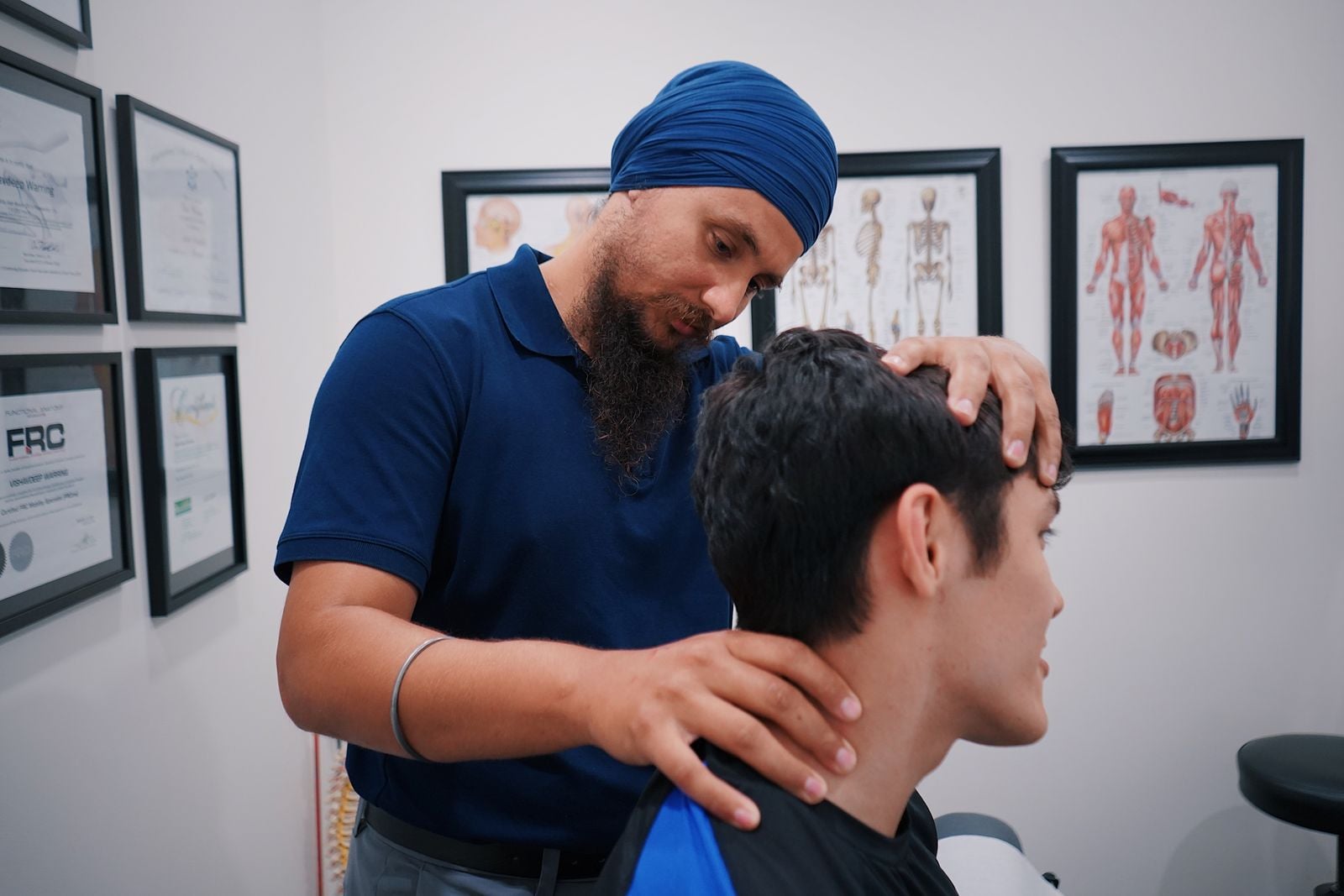
A visit for a suspected whiplash injury is straightforward. We take your history of the crash and your symptoms, examine your neck and range of motion, and check your strength, reflexes, and sensation. If the exam calls for it, we image on site the same day. You leave with a diagnosis, a treatment plan, and documentation dated within your PIP window. Most people can walk in without an appointment, which is exactly what you want when a stiff neck the morning after a crash has you worried.
Treatment for most whiplash is conservative: brief rest followed by gentle movement, pain relief, and physical therapy when it helps. Most cases improve over a few weeks, though some take longer, and a smaller number of people have symptoms that linger. Early evaluation and a clear plan give you the best shot at a full recovery.
Get checked the same day
Whiplash is common, it often shows up a day late, and in Florida the clock on your PIP benefits starts the moment the crash happens. If you were in an accident in Palm Beach County, do not wait to see whether the stiffness passes. A prompt evaluation protects both your health and your coverage. Walk in to our car accident injury clinic for a same-day exam, imaging if you need it, and the documentation your claim requires.
Frequently Asked Questions
Need Same-Day Care?
Skip the ER wait. Book an appointment or walk in today for expert medical care.