When to Get an MRI After a Car Accident in Florida
Key Takeaways
- 1
An MRI shows the soft tissues, discs, and nerves that an X-ray cannot, which is why it often explains pain that lingers after a crash.
- 2
Consider an MRI if pain persists after a normal X-ray, or if you have numbness, tingling, weakness, or pain that radiates down a limb.
- 3
Red-flag symptoms like loss of bladder control or sudden leg weakness are emergencies that need the ER, not just an MRI.
- 4
Florida PIP requires you to be seen within 14 days of the accident, and it can cover an MRI when it is medically necessary.
- 5
At Primary and Urgent Care Center you can be evaluated and imaged on-site, including digital X-ray and a 1.5T MRI, without waiting for an outside referral.
The X-ray came back clear, but a week after your crash the pain still has not let up. Maybe it is a deep ache in your lower back, a numb feeling running down one arm, or a stiffness in your neck that gets worse by the day. You are not imagining it, and you are not overreacting. Some of the most common car accident injuries do not show up on an X-ray at all.
That is often where an MRI comes in. An MRI can see the soft tissues, discs, and nerves that other scans miss, which makes it one of the most useful tools for diagnosing the injuries that linger after a crash. The hard part is knowing when you actually need one, and how soon.
This guide explains what an MRI shows, the signs that point to needing one, and how the timing connects to Florida's 14-day insurance deadline. If you were recently in a crash and your symptoms are not improving, a same-day evaluation at our car accident injury clinic is the fastest way to find out what is going on.
Why an MRI matters after a car accident
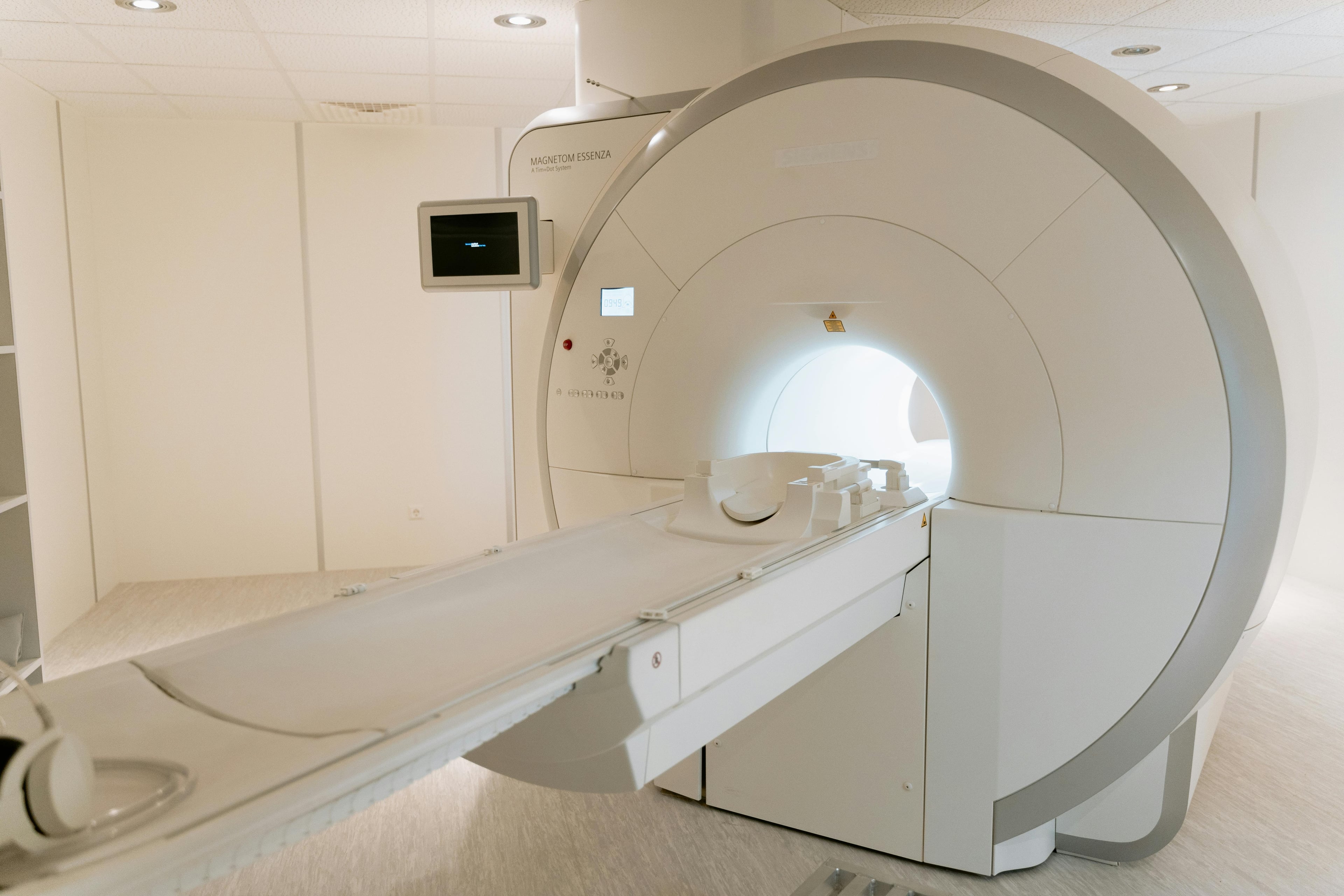
MRI stands for magnetic resonance imaging. Instead of radiation, it uses a strong magnet and radio waves to build detailed pictures of the soft structures inside your body. That is the key difference. An X-ray is excellent at showing bone, but it is nearly blind to the muscles, ligaments, discs, and nerves that absorb so much of the force in a collision.
After a car accident, a lot of the real damage is soft-tissue damage. A disc can bulge or tear, a ligament in your neck or knee can stretch past its limit, and a nerve can get pinched by swelling or a shifted disc. None of that is visible on a standard X-ray. An MRI is frequently the test that finally explains why you still hurt after everything else looked normal. You can read a plain-language overview of how the scan works at MedlinePlus.
MRI vs X-ray vs CT scan
These three scans are not interchangeable. Each one is built to see something different, and the right first step depends on your symptoms.
X-ray: Fast and widely available. Best for spotting broken bones and dislocations. This is usually the first scan after a crash, and we offer on-site digital X-ray for exactly this reason.
CT scan: A series of detailed cross-section images. Strong for complex fractures, head trauma, and internal bleeding. CT is often used in the emergency room right after a serious crash.
MRI: The best tool for soft tissue. It shows herniated discs, torn ligaments, muscle injury, pinched nerves, and the spinal cord itself. It uses no radiation, and while it takes longer than an X-ray, we offer it on-site with a 1.5T MRI scanner, so you do not have to wait for an outside referral.
A simple way to think about it: an X-ray rules out a broken bone today, and an MRI explains the pain that is still there next week.
Injuries an MRI can find after a crash
When pain does not match a clear X-ray, an MRI is often what connects the dots. Common car accident injuries an MRI can reveal include:
Herniated or bulging discs in the neck or lower back.
Ligament and tendon tears, including injuries in the neck, shoulder, and knee.
Soft-tissue and muscle injuries that an X-ray cannot show.
Pinched or compressed nerves that cause numbness, tingling, or weakness.
Spinal cord injury, which needs to be identified quickly.
Some hidden fractures that did not appear on the first X-ray.
Signs you may need an MRI
You do not need an MRI for every ache after a fender bender. Most minor soft-tissue strains improve within a few weeks. But certain symptoms suggest a deeper injury that imaging should evaluate. Talk to a provider about an MRI if you have:
Pain that persists or gets worse after a normal X-ray.
Numbness, tingling, or weakness in an arm, hand, leg, or foot.
Pain that shoots or radiates down a limb rather than staying in one spot.
Neck or back stiffness and limited motion that is not improving.
Ongoing headaches, dizziness, or memory trouble after the crash.
Symptoms that did not start until days after the accident.
Red-flag symptoms that require ER care
A small number of symptoms point to a possible spinal cord or brain emergency. Call 911 or go to the nearest emergency room right away if you have:
Loss of control over your bladder or bowels.
Sudden or worsening weakness or numbness in both legs.
A severe, worsening headache with confusion, vomiting, or slurred speech.
Any loss of consciousness, even brief.
These are emergencies first and imaging questions second. The MRI can wait until you are stable and safe.
Why the need for an MRI can show up days later
It is very common to feel fine at the scene and hurt badly two days later. In the moments after a crash, your body floods with adrenaline, which masks pain. At the same time, soft-tissue injuries and disc injuries swell and inflame gradually, so the symptoms often build over hours or days rather than appearing all at once.
That delay is exactly why a normal first X-ray does not mean you are in the clear. If new symptoms appear after the crash, they deserve a fresh look. We cover this pattern in more detail in our guide to delayed pain after a car accident.
Urgent care vs the ER for accident imaging
Where you go depends on how severe your symptoms are.
Urgent care is the right fit when you have:
Neck, back, or joint pain after a minor to moderate crash.
Whiplash, stiffness, or soft-tissue symptoms that are not improving.
A need for a walk-in exam and on-site imaging, including digital X-ray and a 1.5T MRI when the exam calls for one.
A need for proper documentation for your insurance claim.
Go to the ER instead when you have:
A head injury with confusion or loss of consciousness.
Severe chest or abdominal pain, or trouble breathing.
Any of the red-flag spinal symptoms listed above.
If you are not sure which one you need, our guide on urgent care vs the ER after a car accident breaks it down further.
Florida's 14-day PIP rule and why timing matters
In Florida, your own auto insurance pays first through Personal Injury Protection, or PIP, no matter who caused the crash. PIP can cover medically necessary care, including diagnostic imaging such as an MRI when a provider determines you need one.
There is a strict catch. You must be seen by a medical provider within 14 days of the accident to keep your PIP benefits available. Miss that window and you can lose access to the coverage entirely. The 14 days count from the date of the crash, not from the day your symptoms finally became hard to ignore.
The amount of coverage also depends on documentation. Without a documented emergency medical condition, PIP benefits are limited to $2,500. With an emergency medical condition determination from a qualified provider, you can access up to $10,000. That is one more reason a thorough exam and the right imaging matter, and why careful records are so important. Our overview of car accident PIP documentation explains what the paperwork needs to include.
What to expect at your evaluation
A car accident evaluation is more focused than a typical clinic visit. Here is the general flow:
We take a detailed history of the crash and your symptoms, including anything that started days later.
We perform a physical exam to check your range of motion, reflexes, strength, and any signs of nerve involvement.
If a fracture is possible, we use on-site digital X-ray right away.
If the exam points to a disc, ligament, or nerve injury, we can image you on-site with our 1.5T MRI, CT, and digital X-ray, so there is no wait for an outside referral.
We document everything clearly so your PIP claim has the records it needs.
Walk-ins are welcome, and no appointment is needed. The goal is simple: figure out what is actually injured, get you the right imaging, and start a plan before the 14-day window closes.
The bottom line
An MRI is not the first test after a crash, but it is often the one that finally explains the pain that will not go away. If your symptoms are lingering, spreading, or showing up late, that is your signal to get evaluated rather than wait it out.
Do not let the 14-day deadline make the decision for you. A quick visit to our car accident injury clinic can confirm whether an MRI is the right next step, with on-site imaging available to get you answers sooner, and keep your insurance benefits protected while you heal.
Frequently Asked Questions
Need Same-Day Care?
Skip the ER wait. Book an appointment or walk in today for expert medical care.