Wrist Pain After a Car Accident: Causes and When to Worry
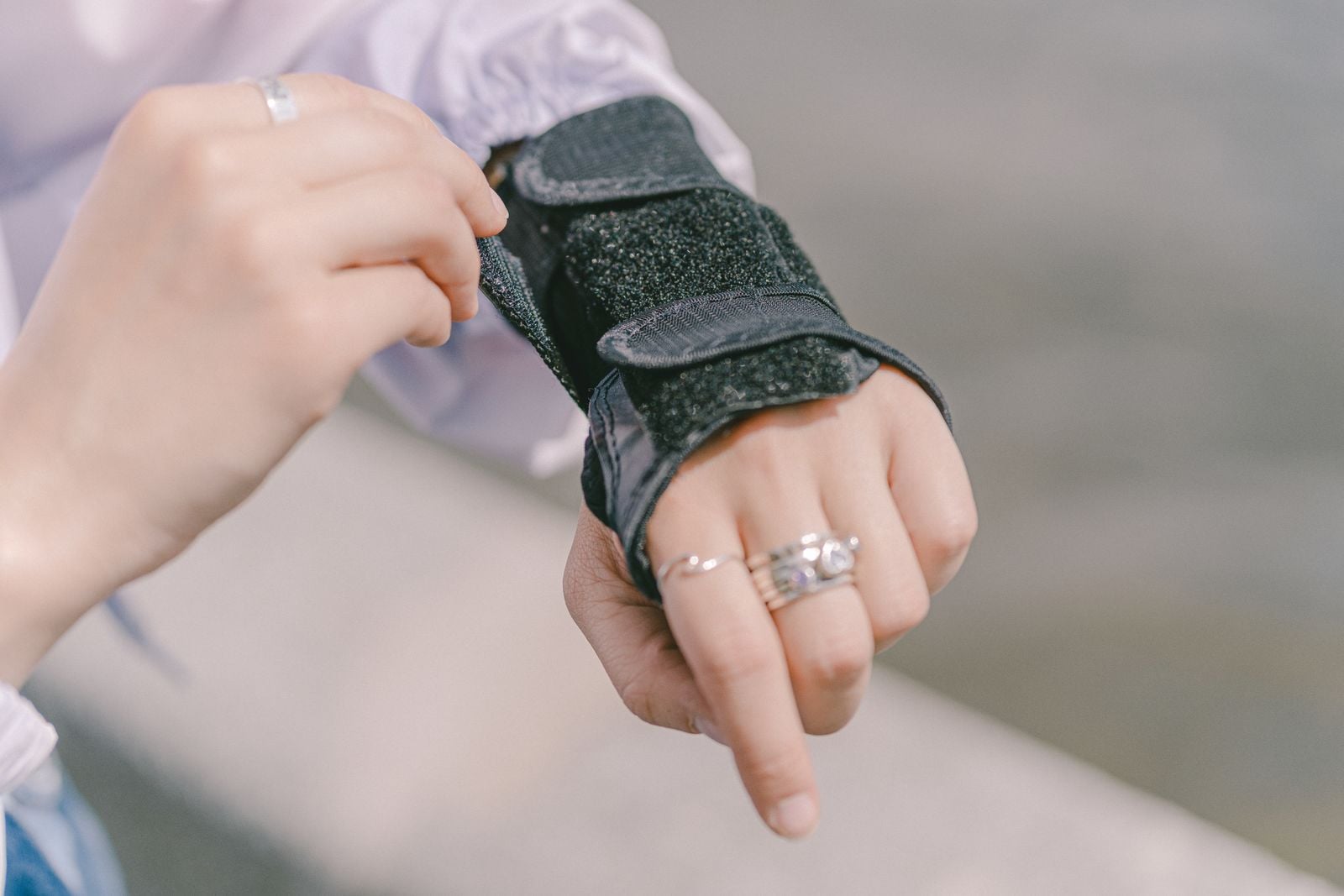
Key Takeaways
- 1
Wrist pain is common after a crash because bracing against the wheel and airbag force drive impact straight through the wrist.
- 2
A scaphoid fracture near the base of the thumb often causes only mild pain at first and can be missed on an early X-ray, so thumb-base tenderness deserves a closer look.
- 3
Go to the ER for an obvious deformity, an open fracture, severe pain, or cold, pale, or numb fingers; urgent care handles most other wrist injuries.
- 4
Wrist pain can appear hours or days after a car accident as adrenaline fades and swelling builds.
- 5
Florida's PIP benefits require a medical visit within 14 days of the accident, and the clock runs from the crash date, not the day pain starts.
In the split second before a crash, most people do the same thing without thinking: they grab the steering wheel and brace. That instinct protects your body, but it sends a jolt of force straight through your wrists. It is no surprise that wrist pain is one of the most common complaints people notice in the hours and days after a car accident in Florida.
If your wrist is sore, swollen, or stiff after a crash, you are not overreacting by getting it looked at. A wrist holds eight small carpal bones, two forearm bones, and a web of ligaments and tendons, and any of them can be strained or broken by a sudden impact. Some of the most serious wrist fractures are also the easiest to miss early, which is exactly why a same-day evaluation matters. Our car accident injury clinic can examine and image the wrist the same day so you know what you are dealing with.
This guide walks through why wrists get hurt in collisions, the injuries to watch for, the warning signs that mean you should not wait, and how Florida's PIP deadline fits into all of it.
Why wrist pain happens after a car accident
A wrist injury in a crash usually comes from one of a few forces, and often more than one at once.
Bracing against the wheel or dashboard. When you stiffen your arms to brace, the impact drives your body weight forward into locked wrists. This is similar to landing on an outstretched hand, the classic mechanism behind many wrist fractures.
Airbag deployment. An airbag inflates at speeds over 100 miles per hour. If your hands are on the wheel when it fires, that force can hyperextend or twist the wrist.
Gripping at the moment of impact. Holding the wheel tightly transmits the shock of the collision directly into the wrist joints and the small bones inside them.
Direct contact. The wrist can strike the door, the console, or the wheel itself, bruising soft tissue or chipping bone.
Because the wrist is a small, hard-working joint with little padding, even a moderate crash can cause an injury that lingers for weeks if it is not treated.
Common wrist injuries from a collision
Wrist injuries after a car accident fall into a few broad groups. Only an exam and imaging can tell them apart, but it helps to know what they are.
Sprains and ligament tears
A sprain happens when the ligaments that hold the wrist bones together are stretched or torn. A mild sprain causes pain and swelling that ease with rest. A more serious ligament tear, such as a scapholunate injury, can make the wrist feel unstable and may need specialist care if it is missed.
Fractures
The most common broken wrist is a distal radius fracture, a break in the forearm bone just above the wrist. You can read more from the American Academy of Orthopaedic Surgeons on distal radius fractures. A second and trickier break is a scaphoid fracture, a crack in one of the small carpal bones near the base of the thumb. A scaphoid fracture often causes only mild pain at first and can be hard to see on an early X-ray, yet it can lead to long-term problems if it is not caught and protected.
TFCC and cartilage injuries
The triangular fibrocartilage complex, or TFCC, is a cushion of cartilage on the pinky side of the wrist. A twisting force in a crash can tear it, causing pain when you rotate your forearm or put weight on your hand.
Nerve irritation
Swelling around the wrist can press on the median nerve and cause numbness, tingling, or weakness in the fingers, similar to carpal tunnel symptoms. This is a sign worth reporting at your visit.
Symptoms to watch for
After a crash, pay attention to your wrist for several days, not just the first hour. Common symptoms include:
Pain that worsens when you grip, twist, or bear weight on the hand
Swelling or bruising across the wrist or back of the hand
Stiffness or a reduced range of motion
A weaker grip than normal, or dropping things
Tenderness in the small hollow at the base of the thumb, which can point to a scaphoid injury
Numbness or tingling in the fingers
Red-flag symptoms that require ER care
Call 911 or go to the emergency room right away if you have any of the following:
An obvious deformity, where the wrist or hand looks bent or out of place
Bone breaking through the skin, or a deep open wound
Fingers that are cold, pale, or blue, which can mean blood flow is cut off
Complete numbness or an inability to move the fingers at all
Severe, uncontrolled pain
These are signs of a severe fracture or a circulation or nerve emergency that needs immediate hospital care. For everything short of that, an urgent care visit is usually the right first step.
Why the pain may not have started right away
It is very common for wrist pain to show up the morning after a crash rather than at the scene. Your body floods with adrenaline during and right after a collision, and that natural painkiller can mask a real injury for hours. Swelling and inflammation also build gradually, so a wrist that felt fine in the moment can become stiff and painful overnight.
Scaphoid fractures are a particular trap. They often hurt only a little at first, so people assume it is a minor sprain and wait. By the time the pain grabs their attention, days have passed. Getting checked early protects you from that delay, and it keeps your medical record lined up with the accident date.
Urgent care vs the ER for a hurt wrist
Knowing where to go saves you time and money. A walk-in urgent care that offers on-site imaging can handle most accident-related wrist injuries.
Urgent care is appropriate for:
Wrist pain, swelling, or stiffness without a visible deformity
A suspected sprain or a simple, stable fracture
Tenderness at the base of the thumb that needs an X-ray
Mild numbness or tingling that comes and goes
Go to the ER for:
An obvious deformity or open fracture
Cold, pale, or numb fingers
Severe pain you cannot control
If you are unsure which level of care you need, our guide on urgent care vs the ER after a car accident breaks it down further.
Florida's 14-day PIP rule
Florida is a no-fault state, which means your own Personal Injury Protection (PIP) coverage pays for medical care after a crash, no matter who caused it. There is one deadline you cannot miss: you must be seen by a medical provider within 14 days of the accident to keep access to your PIP benefits, which provide up to $10,000 in coverage.
That 14-day clock runs from the date of the accident, not from the day your wrist started to hurt. If pain shows up late, you may have less time left than you think. Getting examined promptly protects both your health and your benefits, and it creates the documentation that ties your wrist injury to the crash. You can learn more about that paperwork on our PIP exam and documentation page.
What to expect at your evaluation
A wrist evaluation after a car accident is straightforward and usually quick. Here is what happens at a same-day visit:
History. We ask how the crash happened, where it hurts, and what makes it worse, so the exam is focused.
Physical exam. We check the wrist for swelling, tenderness, grip strength, range of motion, and the thumb-base point that flags a scaphoid injury.
On-site digital X-ray. We image the wrist the same day to look for fractures, including dedicated scaphoid views. Learn more about our walk-in X-ray service.
Next steps. If an X-ray is clear but a scaphoid or ligament injury is still suspected, we may splint the wrist and arrange follow-up imaging such as an MRI, which can show a fracture that an early X-ray misses.
Documentation. We record everything in a report that supports your PIP claim and any care that follows.
No appointment is needed. As a walk-in clinic in Palm Beach County, we see accident patients the same day so you are not stuck waiting while a deadline ticks down.
Do not tough out a hurt wrist
A sore wrist after a crash is easy to brush off, especially when the pain is mild at first. But the wrist injuries that matter most, like a scaphoid fracture or a ligament tear, are often the quietest in the beginning. A same-day exam and X-ray take the guesswork out of it and start your treatment before a small problem becomes a lasting one.
If your wrist hurts after a car accident in Florida, do not wait out the 14-day PIP window. Walk into our car accident injury clinic for a prompt evaluation, on-site imaging, and the documentation you need to protect your recovery and your benefits.
Frequently Asked Questions
Need Same-Day Care?
Skip the ER wait. Book an appointment or walk in today for expert medical care.