Nuclear Medicine
Functional imaging to detect thyroid, bone, and cardiac issues—hospital-level tech without the hospital bill.
What is a Nuclear Medicine?
Nuclear medicine represents the cutting edge of functional imaging technology, utilizing small amounts of radioactive materials called tracers to evaluate organ function and detect diseases at the cellular level, providing information that other imaging modalities cannot capture. This advanced imaging technology operates on the principle of molecular imaging, allowing healthcare providers to observe how organs and tissues function rather than just their anatomical structure. Our nuclear medicine suite features state-of-the-art gamma cameras and PET-CT technology that can detect metabolic changes, blood flow patterns, and cellular activity long before structural changes become apparent on other imaging studies. Nuclear medicine is particularly valuable for evaluating thyroid function, detecting bone metastases, assessing cardiac perfusion, identifying inflammatory processes, and diagnosing a wide range of oncological and neurological conditions. Unlike traditional imaging modalities that primarily show anatomy, nuclear medicine provides functional information that can reveal disease processes at their earliest stages, often before symptoms develop or structural changes occur.

Why choose an Nuclear Medicine?
Choosing our urgent care centers for your nuclear medicine studies means accessing cutting-edge functional imaging technology with immediate availability and significant cost savings. Unlike traditional hospitals where nuclear medicine studies often require weeks of advance scheduling or involve lengthy waits in crowded imaging departments, our urgent care model provides prompt access to this sophisticated diagnostic technology. Our nuclear medicine suite features the same advanced equipment and technology found in major hospitals, ensuring that you receive the highest quality diagnostic imaging available. Our board-certified nuclear medicine specialists provide same-day interpretations for urgent cases, ensuring that critical diagnostic information is available when you need it most. For patients requiring thyroid evaluations, bone scans, cardiac perfusion studies, or other nuclear medicine examinations, our immediate availability ensures that you receive timely diagnostic information without the delays associated with hospital-based nuclear medicine services.
How does a Nuclear Medicine work?
The nuclear medicine imaging process begins with the administration of a small amount of radioactive tracer, which can be injected intravenously, inhaled as a gas, or swallowed as a capsule, depending on the specific examination being performed. These tracers are designed to target specific organs, tissues, or cellular processes, allowing for precise evaluation of particular body systems. Once administered, the tracer travels through the body and accumulates in the target area based on the organ's function, blood flow, or metabolic activity - for example, a bone scan tracer will accumulate in areas of increased bone turnover, while a cardiac perfusion tracer will show areas of the heart muscle that receive adequate blood flow. As the radioactive tracer decays, it emits gamma rays that are detected by specialized gamma cameras positioned around the patient, which capture the radiation emissions and create detailed images that show the distribution and concentration of the tracer throughout the body. Advanced computer processing converts this data into high-resolution images that reveal functional information about the organs being examined, and the images can be displayed as static pictures, dynamic sequences showing tracer movement over time, or 3D reconstructions.
Why choose Primary & Urgent Care Center for a Nuclear Medicine?
Our urgent care centers provide access to the same advanced nuclear medicine technology found in major hospitals, but with the added benefits of immediate availability and significantly reduced wait times. Unlike traditional hospital settings where nuclear medicine studies often require weeks of advance scheduling or involve lengthy waits in crowded imaging departments, our urgent care model provides prompt access to this cutting-edge diagnostic technology. For patients requiring thyroid evaluations, bone scans, cardiac perfusion studies, or other nuclear medicine examinations, our immediate availability ensures that critical diagnostic information is obtained without unnecessary delays. Our nuclear medicine suite is staffed by experienced technologists and interpreted by board-certified nuclear medicine specialists who provide same-day results for urgent cases. The convenience of our urgent care setting means that patients can receive hospital-level nuclear medicine imaging while avoiding the lengthy appointment scheduling and higher costs typically associated with hospital-based nuclear medicine services.
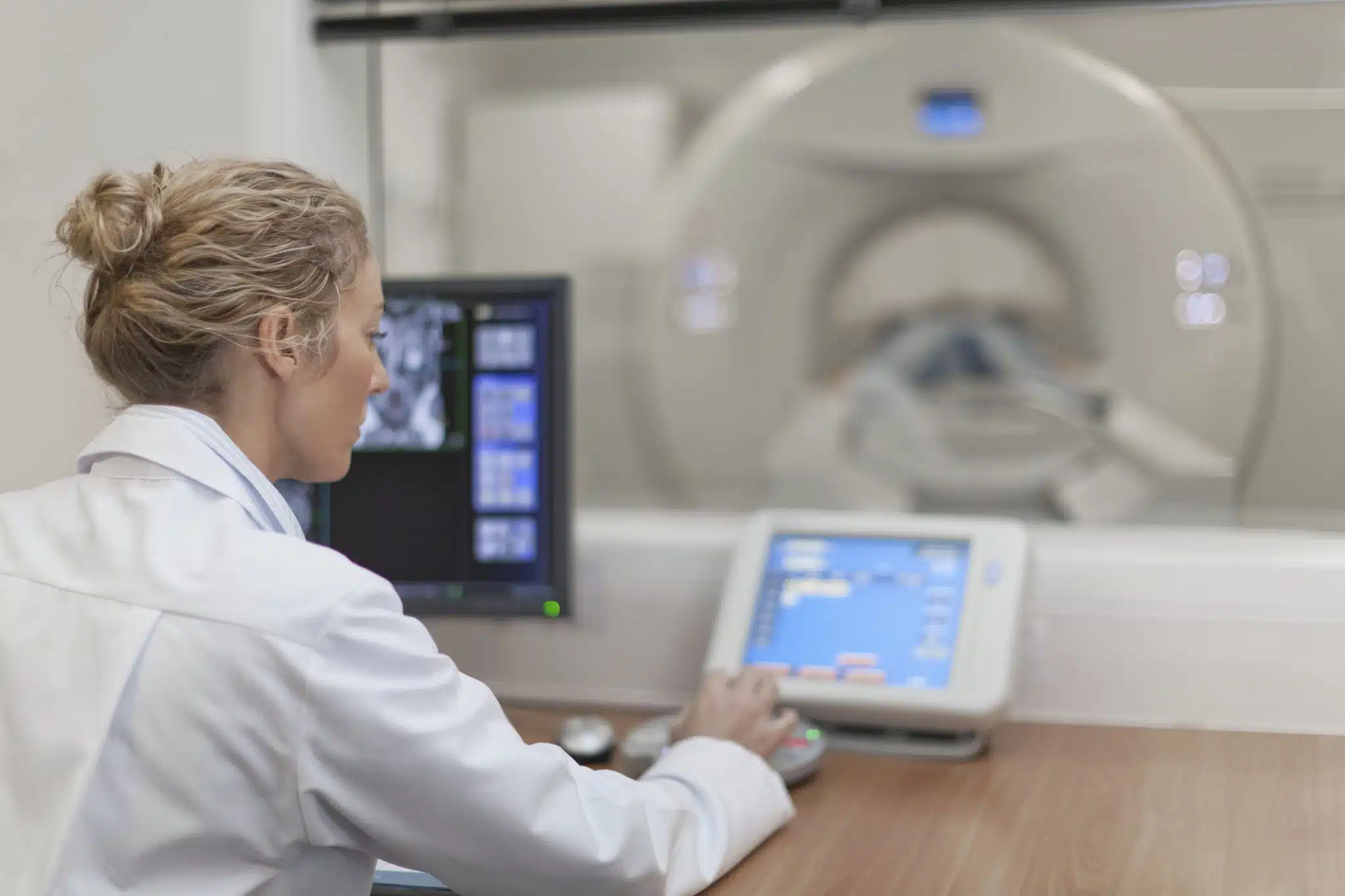
Costs at a Primary & Urgent Care Center
The cost advantage of receiving nuclear medicine studies at our urgent care centers is substantial, with typical pricing ranging from $550 compared to hospital costs of $1,500-3,000 for the same diagnostic procedures. This represents a savings of 60-70% compared to traditional hospital-based nuclear medicine services, making this advanced diagnostic technology accessible to patients without the financial burden of hospital pricing. Our urgent care centers accept most major insurance plans, and patients typically experience lower copays and deductibles compared to hospital settings. For patients without insurance, we offer transparent, upfront pricing with no hidden fees, and we work with patients to establish affordable payment plans when needed. Most insurance plans are accepted with lower deductibles, ensuring that patients can access this advanced diagnostic technology without facing prohibitive out-of-pocket costs.